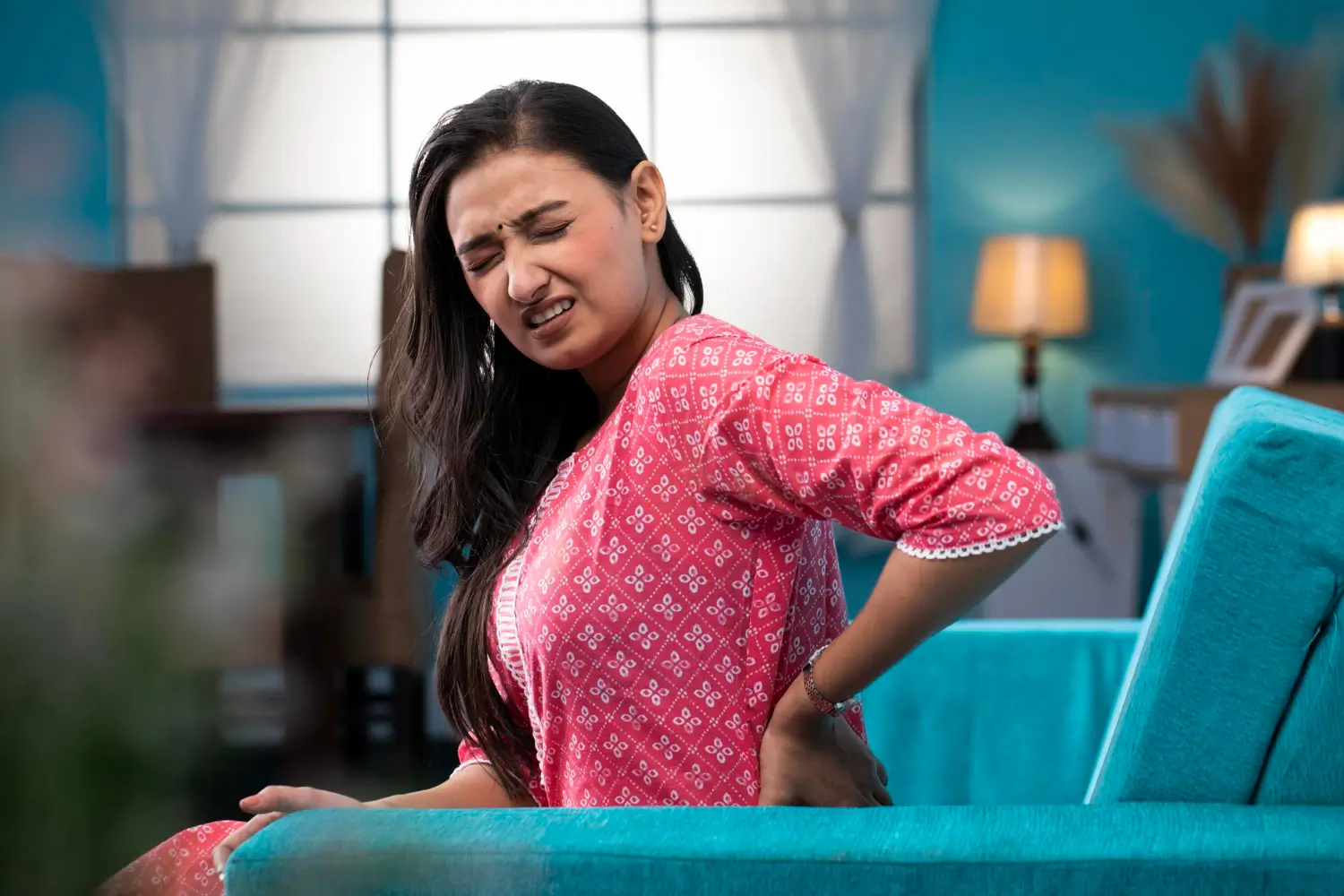
Why Women Are More Prone to Hip Pain – and What Exercises Can Help
By Dr. Deven Kuruwa | Orthopedic Specialist
Hip pain is a common complaint among women — especially those who are active, pregnant, or approaching menopause. But have you ever wondered why hip pain affects women more often than men? The answer lies in body structure, hormones, and lifestyle factors. Let’s understand the causes behind it and explore simple exercises that can help relieve discomfort and strengthen your hips.
Why Are Women More Prone to Hip Pain?
Several biological and lifestyle factors make women more likely to experience hip discomfort. Here are the most common reasons:
- 1. Wider Pelvic Structure: Women naturally have a wider pelvis to support childbirth. While this helps during pregnancy, it also alters alignment and increases stress on the hips, knees, and lower back — often resulting in hip pain.
- 2. Hormonal Changes: Fluctuations in estrogen levels, especially during menstruation, pregnancy, or menopause, can affect ligaments and joint stability. Reduced estrogen levels can also lead to bone density loss, making the hips more vulnerable to injury or arthritis.
- 3. Pregnancy and Postpartum Changes: During pregnancy, the hormone relaxin loosens ligaments to prepare for childbirth. However, this increased flexibility can cause joint instability and hip pain. Postpartum women often experience hip discomfort due to muscle weakness or altered posture.
- 4. Osteoarthritis and Osteoporosis: Women over 40 are at higher risk of hip arthritis and osteoporosis. These conditions can cause pain, stiffness, and even fractures if left untreated.
- 5. Lifestyle and Posture: Prolonged sitting, high heels, or poor posture can strain hip joints. Lack of regular exercise also weakens supporting muscles, increasing the risk of hip pain.
Exercises to Relieve and Prevent Hip Pain
Before starting any exercise routine, consult your orthopedic specialist. Once cleared, try these gentle yet effective exercises recommended by Dr. Deven Kuruwa to strengthen your hip muscles and improve flexibility.
- 1. Hip Bridges:
How to do it: Lie on your back with knees bent and feet flat. Lift your hips upward, squeezing your glutes, and hold for 5 seconds.
Benefits: Strengthens glutes, lower back, and core — helping stabilize the hips. - 2. Clamshells:
How to do it: Lie on your side with knees bent. Keep feet together and lift the top knee while keeping hips steady.
Benefits: Activates gluteus medius muscles, improving hip stability. - 3. Hip Flexor Stretch:
How to do it: Kneel on one knee, with the other foot in front. Gently push hips forward and hold the stretch.
Benefits: Relieves tightness in the front of the hip, common in people who sit a lot. - 4. Side Leg Raises:
How to do it: Lie on your side and slowly lift the top leg upward, keeping it straight.
Benefits: Strengthens the hip abductors and stabilizes pelvic alignment. - 5. Squats (Modified or Wall-Supported):
How to do it: Stand with feet shoulder-width apart and slowly lower your body as if sitting on a chair.
Benefits: Builds strength in the thighs, hips, and glutes — essential for hip joint support.
When to See a Doctor
If you experience persistent pain, stiffness, or difficulty walking, don’t ignore it. It could be a sign of:
- Hip arthritis
- Bursitis
- Labral tear
- Tendon inflammation
- Postural or spinal alignment issues
Early diagnosis and treatment by an orthopedic specialist like Dr. Deven Kuruwa can prevent worsening and improve mobility through medication, physiotherapy, or minimally invasive interventions.
Expert Orthopedic Care with Dr. Deven Kuruwa
Whether your hip pain is due to posture, hormonal changes, or arthritis, Dr. Deven Kuruwa offers comprehensive orthopedic care tailored to women’s needs. With expertise in joint pain management and rehabilitation, Dr. Kuruwa focuses on restoring strength, balance, and quality of life through personalized treatment plans.
Frequently Asked Questions (FAQs)
- 1. Is hip pain common during menopause?
Yes. Lower estrogen levels during menopause can affect joint lubrication and bone health, leading to hip discomfort. - 2. Can walking help with hip pain?
Light walking can help maintain joint mobility, but avoid overexertion if pain increases. - 3. How can I prevent hip pain in the future?
Maintain a healthy weight, stretch regularly, and include strength-training exercises for hip and core muscles. - 4. When should I consult an orthopedic doctor?
If hip pain persists for more than a few days or limits daily activities, it’s best to seek medical evaluation.
Final Thoughts
Hip pain in women is often overlooked, but it can significantly impact mobility and comfort. Regular exercise, good posture, and timely medical care can make all the difference. If you’re experiencing chronic hip pain, consult Dr. Deven Kuruwa, an experienced orthopedic specialist, for accurate diagnosis and effective treatment options.