Hip Replacement
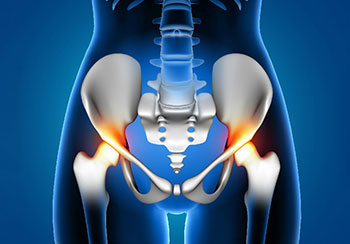
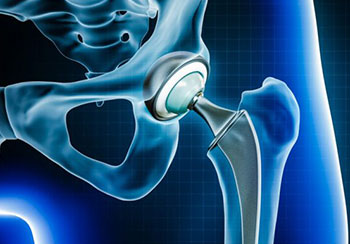
A hip replacement is a surgical procedure. An orthopedic surgeon will replace your hip (or parts of it) with a human-made implant (a prosthesis). Your surgeon might refer to a hip replacement as a hip arthroplasty (a joint replacement surgery).
Types of hip replacements
Your surgeon will perform either a total hip replacement or a partial hip replacement:
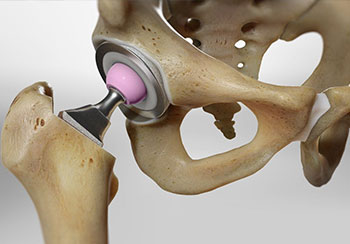
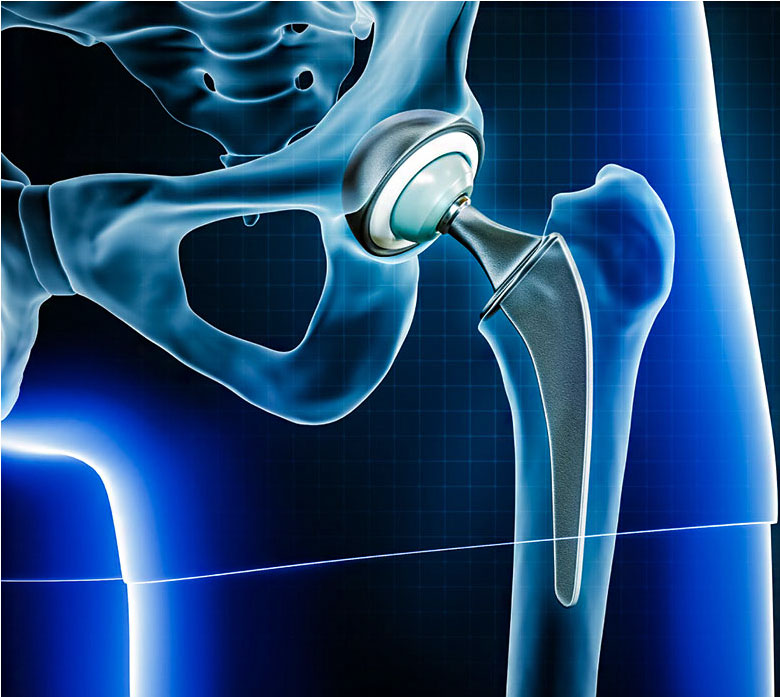
1. Total hip replacement: The ball (femur head) of your thighbone and the socket it fits into (acetabulum) both are replaced. Almost all hip replacements are total hip replacements.
2. Partial hip replacement: Only the ball of your hip joint (femur head) is replaced. These are usually only when the hip bone gets fractured in the elderly.
How long does a hip replacement take?
Hip replacements usually take two to three hours, depending on the damage andbuild of the patient. More time for obese patients.
What does a hip replacement look like?
The prosthetic parts we use during a hip replacement will look very similar to your original hip. Instead of bone and cartilage, the prosthetic joint is made of metal, plastic and/ or ceramic. It’s made to replicate the shape, size and function of a natural hip joint.
What happens after a hip replacement?
Patients can start walking on the very next day after surgery. Usually we discharge patients within 2-3 days. The next follow up is after 2 weeks when stitches are removed (no removal needed if stitchless surgery is opted for). Slight pain is to be expected for 4-6 weeks. Walking pattern usually resolves by 3 months.
When would I need a hip replacement?
You might be a good candidate for a hip replacement if symptoms in your hip are making it hard (or impossible) to participate in your daily routine. Most people who get a hip replacement try other, more conservative treatments like medication, physical therapy or using a cane or walker before needing surgery. Your provider will probably suggest these kinds of treatments before recommending a hip replacement.
Arthritis is the most common cause of hip pain and other symptoms that lead to people needing a hip replacement. Some of the most common types of arthritis can affect your hip, including:
- Osteoarthritis
- Rheumatoid arthritis
- Psoriatic arthritis
Other health conditions and issues that can damage your hip joint enough to require a hip replacement include:
- Osteonecrosis
- Traumas like car accidents or falls
- Femoroacetabular impingement syndrome (FAI or hip impingement)
- Hip dysplasia
- Benign tumors (neoplasms)
- Femoroacetabular impingement syndrome (FAI or hip impingement)
- Cancer
- Perthes disease